

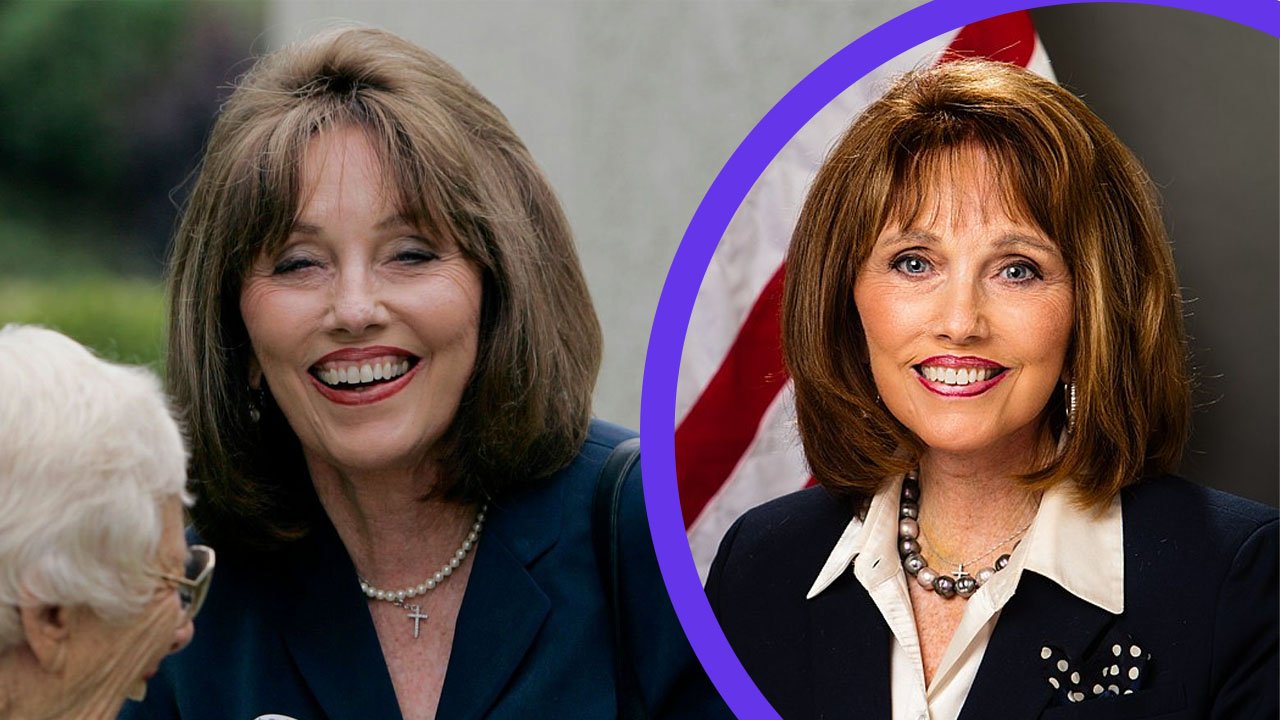
Have you ever heard of someone who started as a social worker and ended up leading one of the biggest political groups in California? That is the story of Patricia Bates. She spent more than 30 years working in public service. She was a mayor, a state lawmaker, and a party leader. Her story shows what hard work and strong beliefs can do in American politics.
In this article, you will learn about Patricia Bates, her early life, her long career, and why she matters in California politics. Whether you follow politics or just want to learn something new, this story is worth your time.
Early Life and Education of Patricia Bates
Patricia “Pat” Carmody Bates was born on December 15, 1939, in Long Beach, California. She grew up in a regular American family and went to Wilson High School. After high school, she studied at Occidental College in Los Angeles. She chose psychology as her main subject. During her third year of college, she got a chance to study at the University of Madrid in Spain. She finished her degree in 1961.
After college, Patricia Bates took a job as a social worker for the Los Angeles County Department of Public Social Services. She worked there for ten years and became a deputy district director. This job changed the way she looked at government. She saw that government programs can help people, but they also have problems and limits. This experience made her want to find better ways to serve people.
How Patricia Bates Started in Politics
In 1978, Patricia Bates moved to Laguna Niguel, a small area in south Orange County, California. At that time, it was not even a city yet. She started as a school volunteer and got involved in her community.
Her first real step into politics came in the 1980s. She joined a local group called Citizens for a Safer Crown Valley Parkway. This group worked to make a busy road safer for people walking nearby. After that, she became the president of the Laguna Niguel Community Council from 1986 to 1987.
In 1986, she was elected to the local Community Services District. Then something big happened. In 1989, Laguna Niguel became an official city, and Patricia Bates became its first mayor. She got the most votes out of 23 people running for the city council. She stayed on the council for about ten years.
This was just the beginning of her long political journey.
Patricia Bates in the California State Assembly
In 1998, Patricia Bates won a seat in the California State Assembly. She represented the 73rd Assembly District. She served in this role until 2004.
While in the Assembly, she did some important things. She worked to bring a law called “Megan’s Law” to college campuses. This law tells people about dangerous criminals living near them. She also helped get 35 million dollars for projects to fix and improve California beaches that were losing sand because of water damage.
She also became a founding leader of the Republican Women’s Caucus in the Assembly. This group helped women in the Republican Party work together on important issues. Later, Governor Arnold Schwarzenegger picked her to be part of a special team that looked at ways to make the state government work better.
Orange County Board of Supervisors
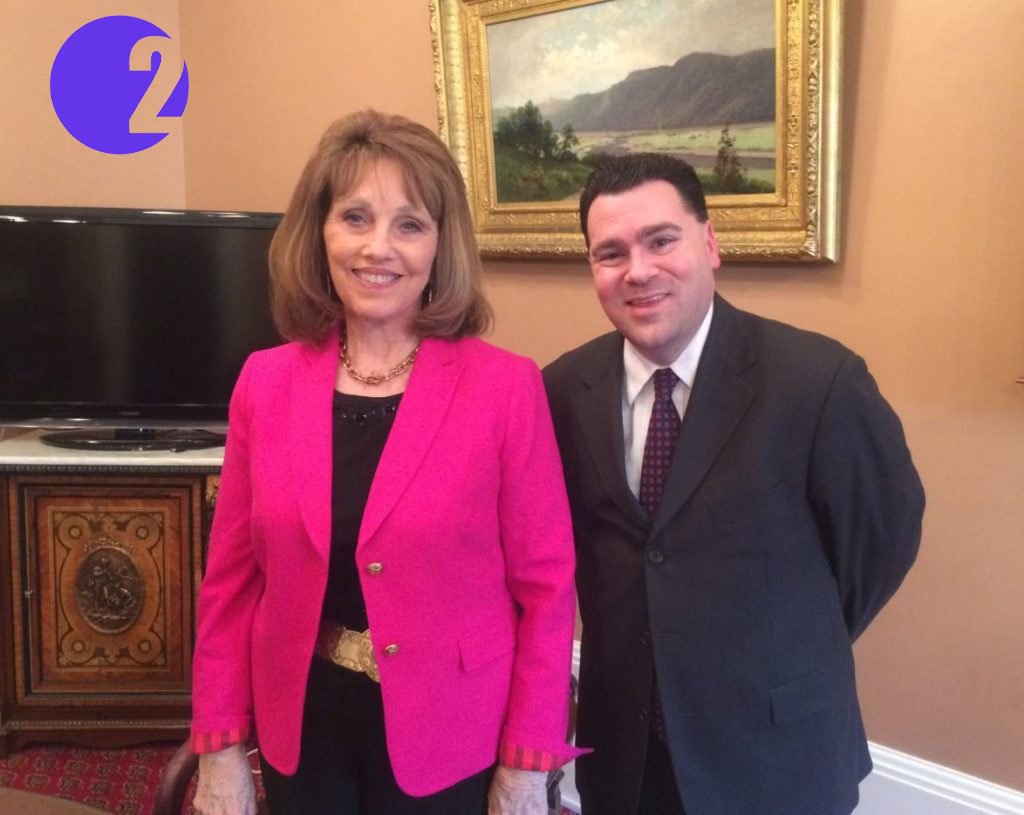
After her time in the Assembly, Patricia Bates was elected to the Orange County Board of Supervisors in 2006. She represented the 5th District, which includes areas from Aliso Viejo to San Clemente. She served on this board from 2007 to 2014.
During her time on the board, she focused on several things that mattered to local people. She worked to keep taxes low for families. She pushed for better roads and faster building of transportation projects. She also supported changes to government worker retirement plans to save money for the county.
In 2007, she voted to create a Citizens Law Enforcement Review Board. This board lets regular people review complaints about police behavior. She cared about making sure both the police and the community worked well together.
Patricia Bates Becomes a State Senator
In 2014, Patricia Bates won a seat in the California State Senate. She represented the 36th Senate District. This area covers parts of south Orange County and north San Diego County, with more than one million people living there.
Then in 2017, something historic happened. Her fellow Republican senators chose her as their leader. She became the Senate Republican Leader, also called the minority leader. She was only the second woman in the history of California to lead a political party group in the state Senate. The first was Jean Fuller, who came before her.
Leading the Republicans was not easy. Her party was small compared to the Democrats. In 2017 and 2018, Republicans had only 13 seats while Democrats had 27. By 2019, that number dropped to just 11 Republican seats. But Patricia Bates kept working hard for her party and her ideas.
Important Laws Patricia Bates Helped Create
Patricia Bates is known for writing and supporting several important laws during her time in the Senate. Here are some of the most notable ones.
Protecting People From Dangerous Criminals
She wrote laws to close gaps in the rules about dangerous prisoners. She worked to make sure that people found guilty of violent crimes could not leave prison too easily. Crime Victims United of California gave her an award for her work to protect regular people from crime.
Fighting the Opioid Problem
In 2018, she wrote a law called SB 1109 with San Diego County District Attorney Summer Stephan. This law helps tell people, especially young people, about the dangers of prescription painkillers. Opioid addiction is a big problem in America, and this law was a step to help fix it.
Brandon’s Law
In 2021, she wrote “Brandon’s Law” (SB 434). This law protects people who are looking for help with drug addiction. It stops treatment centers from using false advertising to trick people who need help. This was a big win for families dealing with addiction.
Helping Veterans
She worked with Democratic Senator Robert Hertzberg to write SB 1007 in 2018. This law helped make it cheaper to build medical centers for veterans and military members who suffer from PTSD (post traumatic stress disorder). This showed that she could work with people from the other party when it mattered.
What Makes Patricia Bates Special in California Politics
Patricia Bates is not just another politician. Several things make her stand out.
First, she has experience at every level of local and state government. She was a mayor, a county supervisor, an Assembly member, and a state senator. Very few people in California can say they have done all of that.
Second, she was a leader for women in politics. As only the second woman to lead a party group in the California State Senate, she broke an important barrier. She also started the Republican Women’s Caucus in the Assembly to help other women get involved.
Third, she always worked across party lines when it was needed. Even though she was a strong Republican, she wrote laws with Democrats when it helped the people of California. That kind of teamwork is not always common in politics today.
Fourth, her background as a social worker gave her a different view of government. She understood that government can do good things, but she also knew that government programs need to be smart and careful with people’s money.
Where Is Patricia Bates Now?
Patricia Bates left the California State Senate on December 5, 2022, because of term limits. After leaving the Senate, she tried to win a seat on the Orange County Board of Supervisors again in 2022, but she lost that election to Katrina Foley.
Today, she lives in Laguna Niguel, California, with her husband John, who is a well known architect. She is a mother of two and a grandmother of four.
Final Thoughts
Patricia Bates spent more than three decades working for the people of California. She went from being a social worker to becoming one of the most important Republican leaders in the state. She created laws that protect people from crime, fight drug addiction, and help military veterans. She showed that women can lead in politics and that working with the other side is possible.