
Who Is Roderick Jeffrey Watts? The Husband of Isabel Wilkerson and a Man Who Fights for Fairness

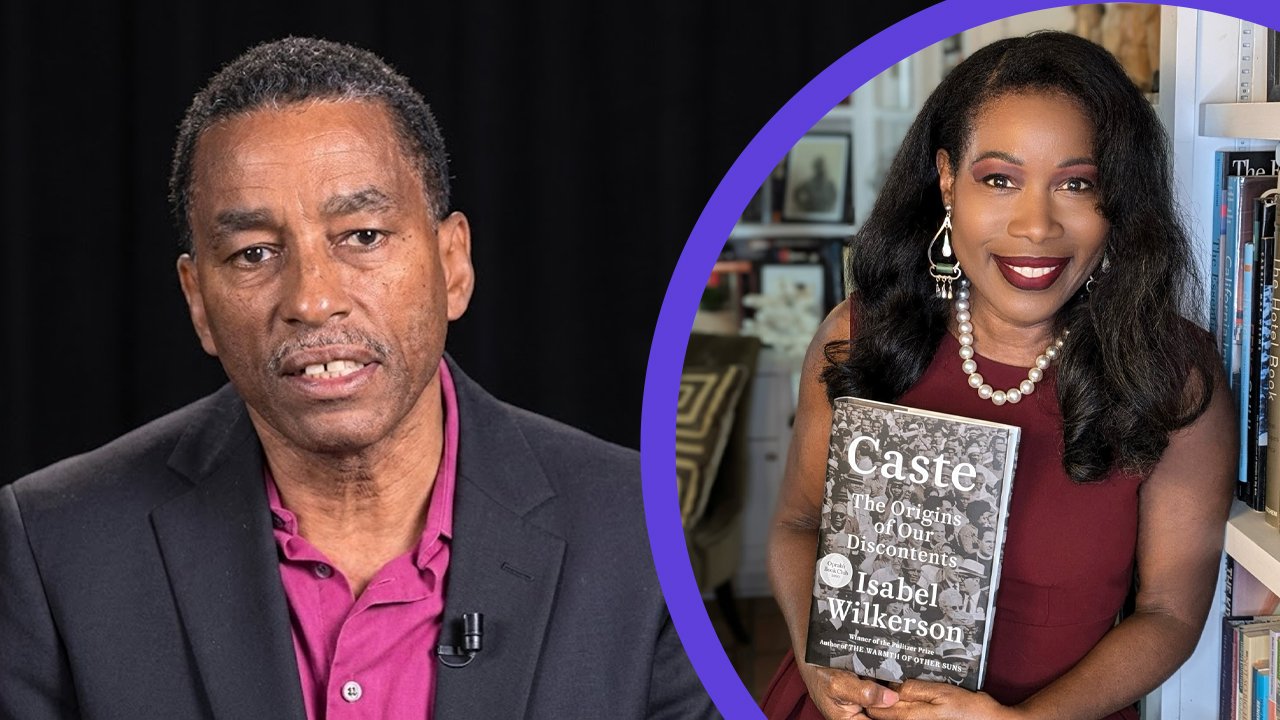
Most people hear the name Roderick Jeffrey Watts and think: “Oh, he is Isabel Wilkerson’s husband.” That is true. But that is only a small part of his story.
Roderick Jeffrey Watts is a psychologist, a professor, and a person who has spent his whole life fighting for fairness. He has helped young people understand their identity. He has taught students at big universities. He has written important academic work. And he has done all of this quietly, without looking for attention.
This blog post will tell you who Roderick Jeffrey Watts really is. You will learn about his family, his education, his work, and his strong beliefs about fairness and mental health.
Who Is Roderick Jeffrey Watts?
Roderick Jeffrey Watts is an American psychologist and professor. He is known for his work in Clinical-Community Psychology, which is a field that connects mental health with the problems that people face in society.
He believes that you cannot understand a person’s mental health without looking at the world around them. If someone grows up in an unfair system, that system affects how they feel, think, and live. Watts has made this idea the center of his work.
He is also the husband of Isabel Wilkerson, one of the most respected authors in the United States. But as you will see, Watts has built a powerful career all on his own.
His Early Life and Family
Roderick Jeffrey Watts grew up in a family that cared about society and community.
His father worked as a health planner for the New York State Department of Health. His mother worked as an office manager for Black Dimensions, an organization connected to African American culture and identity.
Growing up in this kind of home, Watts learned early that the problems in society are real. He saw how unfair systems can hurt people’s health and lives. This experience stayed with him and became the reason he chose psychology as his path.
His Education
Watts worked hard in school and earned a very important degree.
He got his Ph.D. in Clinical-Community Psychology from the University of Maryland. This type of psychology is special because it does not just look at one person sitting in a room. It looks at the full picture: the person, their community, the systems around them, and the problems those systems create.
This education gave Watts the tools to do work that actually helps people in the real world, not just in theory.
His Career as a Professor and Teacher
After finishing his studies, Watts began teaching at some well-known universities.
He taught at DePaul University and Yale University School of Medicine. He also worked at Stellenbosch University in South Africa. Later, he became a professor at the City University of New York (CUNY) Graduate Center, where he taught courses on African American psychology, personality psychology, and research methods.
Students who studied with him describe him as a teacher who makes you think. He does not just teach facts. He encourages students to ask: “How does this connect to the real world? How can psychology help people who are being treated unfairly?”
He has also mentored many students, helping them grow not just as scholars but as people who care about justice.
His Work in Social Justice
This is where Roderick Jeffrey Watts truly stands out.
He has dedicated much of his life to helping young people, especially African American youth, understand who they are and fight for what is right. He developed and ran community programs that teach young people about their identity, their power, and their ability to create change.
He co-edited an important academic book called “Human Diversity: Perspectives”, which looks at how culture, race, and social systems affect human behavior and mental health. This book is used in universities and has helped many people understand psychology in a deeper way.
Watts believes that mental health and fairness are connected. If a person lives in an unfair society, that affects their mind and body. His research shows this clearly, and his programs try to fix it at the community level.
Key areas of his work include:
- Studying how race and identity affect mental health
- Building programs that help young people grow strong and confident
- Teaching the next generation of psychologists to care about social issues
- Writing research that connects psychology to the real world
- Sitting on boards that address racial inequality and education
His Relationship With Isabel Wilkerson
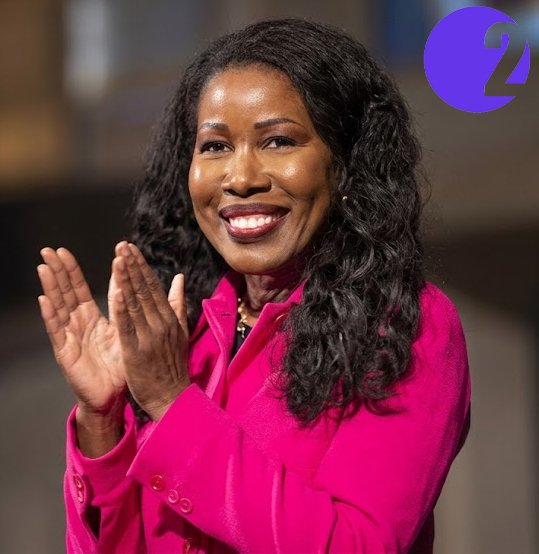
Roderick Jeffrey Watts married Isabel Wilkerson in Maryland. She is one of the most respected journalists and authors in America.
Isabel Wilkerson made history as the first African American woman to win the Pulitzer Prize in journalism, which she received while working for The New York Times. She is also the author of two powerful books: The Warmth of Other Suns, which tells the story of the Great Migration of African Americans in the 20th century, and Caste: The Origins of Our Discontents, which explains how hidden social rankings shape life in America and around the world.
Together, Watts and Wilkerson made a strong team. She told important stories through journalism and writing. He studied how social systems affect the mind and used psychology to help communities. Both of them cared deeply about fairness, equality, and understanding the truth about race in America.
Their relationship was described as a true partnership, built on shared values and a shared goal: to make the world a better and fairer place.
What Makes Roderick Jeffrey Watts Different?
Many psychologists study mental health. Many professors teach students. But very few connect those two things to fighting for fairness in society.
Watts understood something important: a fair mind needs a fair world. You cannot help a person feel well if the world around them is unjust. So he worked on both things at the same time.
He did not just study problems. He built programs to fix them. He did not just write papers. He trained future leaders. He did not just talk about fairness. He worked for it, every day, in classrooms, in communities, and in research.
That is what makes him different.
What You Can Learn From His Story
The story of Roderick Jeffrey Watts teaches us a few important things.
First, your work matters even if people do not know your name. Watts did great things for years without being famous. He did not need the spotlight. He just needed to do the work.
Second, mental health and society are connected. If you want to help people feel well, you also need to care about the world they live in. Watts showed this through his whole career.
Third, standing next to a famous person does not take away from your own value. Watts is known as Isabel Wilkerson’s husband, yes. But he is also a respected professor, researcher, and advocate who built his own strong legacy.
A Note on His Legacy
Roderick Jeffrey Watts is now a Professor Emeritus of Psychology and Africana Studies. This is a title given to retired professors who have done great work during their careers.
His programs, his research, and his students carry his ideas forward. Many of the people he taught are now working in psychology, education, and community programs, using what they learned from him to help others.
His impact is not loud. It is quiet and steady. And sometimes, that kind of impact lasts the longest.
Final Thoughts
So, who is Roderick Jeffrey Watts?
He is a man who grew up seeing unfairness and decided to spend his life fighting it. He is a psychologist who understood that mental health is connected to justice. He is a professor who trained hundreds of students to care about the world. He is the husband of one of the greatest authors of our time. And above all, he is a person who believed that psychology can change lives when it is used with purpose and heart.